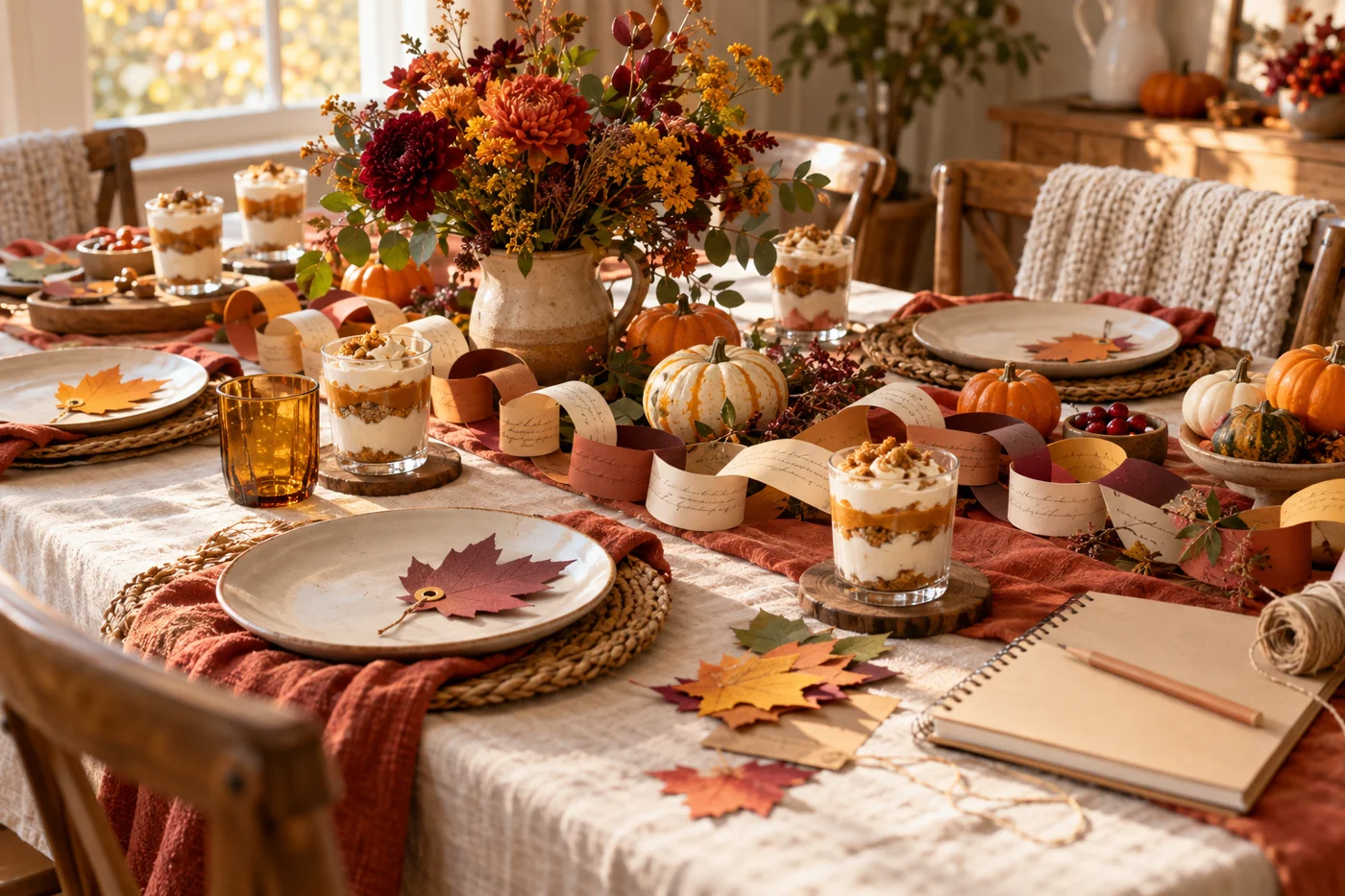
Turn the kitchen table into a tiny card café: pens in a mug, paper in a tray and a menu of messages instead of a complicated craft demonstration. Guests can make a thank-you, a holiday hello or a note for somebody they miss. This is a gathering for people who like making things and for people who insist they “cannot draw.” Nobody has to announce who the card is for or read a personal message aloud. The useful result is a finished note that can actually reach its person.
Make the invitation feel easy to accept
Write: “Come for a little making and a catch-up. We’ll make one or two cards for people we appreciate. Bring an address privately if you plan to mail yours; there is no need to bring materials or buy anything. Drawing skills are not on the guest list.” Add the time, place and whether drinks or snacks are provided. Let guests know they can simply write a note on plain paper. Someone who is tired, grieving or overwhelmed may appreciate a quiet seat more than a performance-based party. Keep the invitation open to that kind of participation.
Offer a three-design menu
Set out three sample ideas: The Paper Stripe, a plain card with one patterned strip; The Little Window, a colored rectangle framing a handwritten word; and The Scrap Collage, a few paper pieces arranged into a loose shape. Use a comfortable card size that fits envelopes you own. Put paper adhesive, scissors, thick pens and ordinary writing paper on the table. Test one sample before making enough for everyone. Do not assume every cardstock weight folds or feeds through a printer in the same way. Scissors-only and no-cut options deserve equal space on the menu.
Start the words before the decorations
Give guests prompts they can make specific: “One thing you did that stayed with me…,” “An ordinary moment I loved with you…,” or “A small thing I hope we do together…” A true sentence such as “I still think about the afternoon you helped me move” has more personality than a paragraph of generic holiday wishes. Avoid promising help the writer cannot actually offer. An honest “Thinking of you today” is complete on its own. For a recipient having a difficult season, allow a gentle note without insisting they be cheerful or grateful.
Create a quiet lane and a chatty lane
Separate the cutting and decorating area from a small writing corner, even if that only means the far end of the table. Some people talk while they make; others want a moment to find the right words. Let a guest dictate a message to a trusted helper when they ask. Offer large dark lettering and generous writing space rather than tiny decorative type. If music is playing, keep it low enough for conversation. A card café does not need a timer for every task, and there is no prize for making the largest stack.
Try a kindness menu without making promises for other people
Suggest a thank-you to a teacher, a hello to an old friend, a note for a neighbor or a card for a family member who lives far away. Guests choose their own recipients. For a community organization, contact it first to ask whether it accepts handmade cards and what its guidelines require. Do not advertise that a care home or charity will distribute your cards without confirmation. Avoid putting phone numbers, personal contact details or private stories into a collection meant for unknown recipients. Sometimes the most useful choice is simply writing to somebody you already know.
Finish the bit that gets forgotten
Leave time to address envelopes, add stamps the sender has chosen, or arrange a direct handover. Keep address lists private and let each guest take their own card unless they explicitly ask the host to send it. Do not photograph envelopes with addresses showing. If a shared mailing task is agreed, write down who will do it and when, then return unused personal details. A beautifully decorated card in a forgotten kitchen drawer does not get to do its job. Pack damp or raised embellishments carefully, and check mailing requirements before adding bulky extras.
A manageable afternoon and an easy repeat
Allow about fifteen minutes for arrival and choosing recipients, twenty-five for making and twenty for writing and finishing. Adjust around the group rather than treating those estimates as deadlines. The gratitude-card project provides a starter direction; the scrap-paper quilt cards offer a different visual idea. End by asking what felt good to make, not by requiring people to read their messages. Save a small envelope of useful scraps and a list of the prompts. The next café can be a birthday, a new-year hello or just an ordinary Sunday.
MAKE ROOM FOR THE GOOD PART
Your little gathering plan
A few days before
Invite guests to choose one or two recipients and bring any addresses privately.
Before the gathering
Prepare three simple samples, a no-cut option and a quiet writing space.
Before the goodbye
Finish envelopes, agree any mailing help and return private notes to their owners.
A LITTLE LIST TO KEEP
Before everyone arrives
Tick as you plan, or print this guide. Checkmarks last for this page visit.
A couple of things you might be wondering
Does a kindness card need a long message?
No. One specific, sincere sentence can be plenty. A short hello is better than a message that promises something the writer cannot do.
Can we make cards for strangers?
You can plan a collection after an intended organization confirms that it accepts the cards and explains its requirements. Do not assume a recipient or distribution partner.
What about guests who do not enjoy crafts?
Provide plain paper, a good pen and space to write. Listening, talking and sending a simple note are all valid ways to join in.
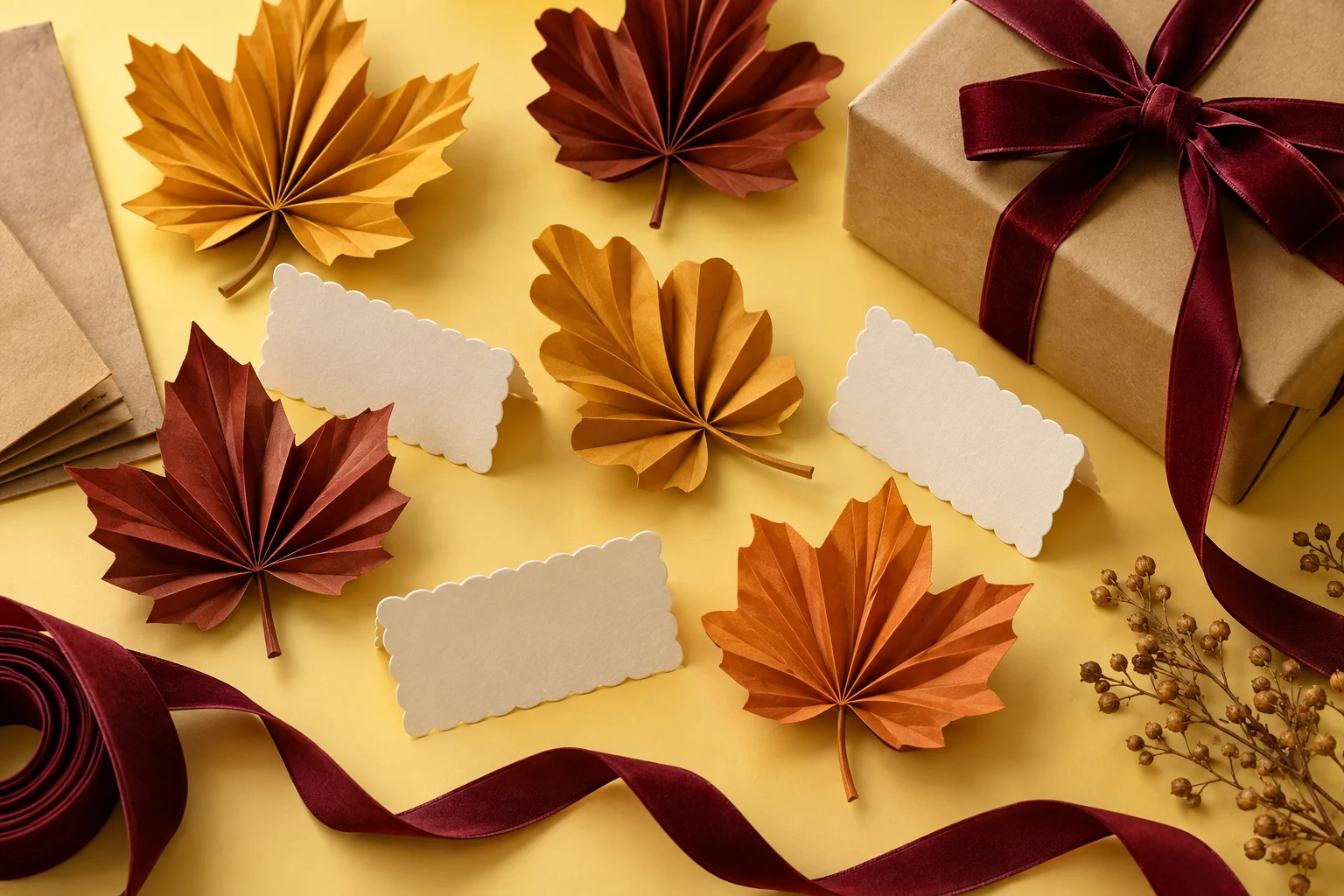
Little notes of gratitude
Let’s make it ↗The related projects are starter guides and have not yet been maker-tested.
Feeling Crafty · feelingcrafty.net/blog/holiday-card-making-kindness-cafe/
← Back to the Crafty Notebook